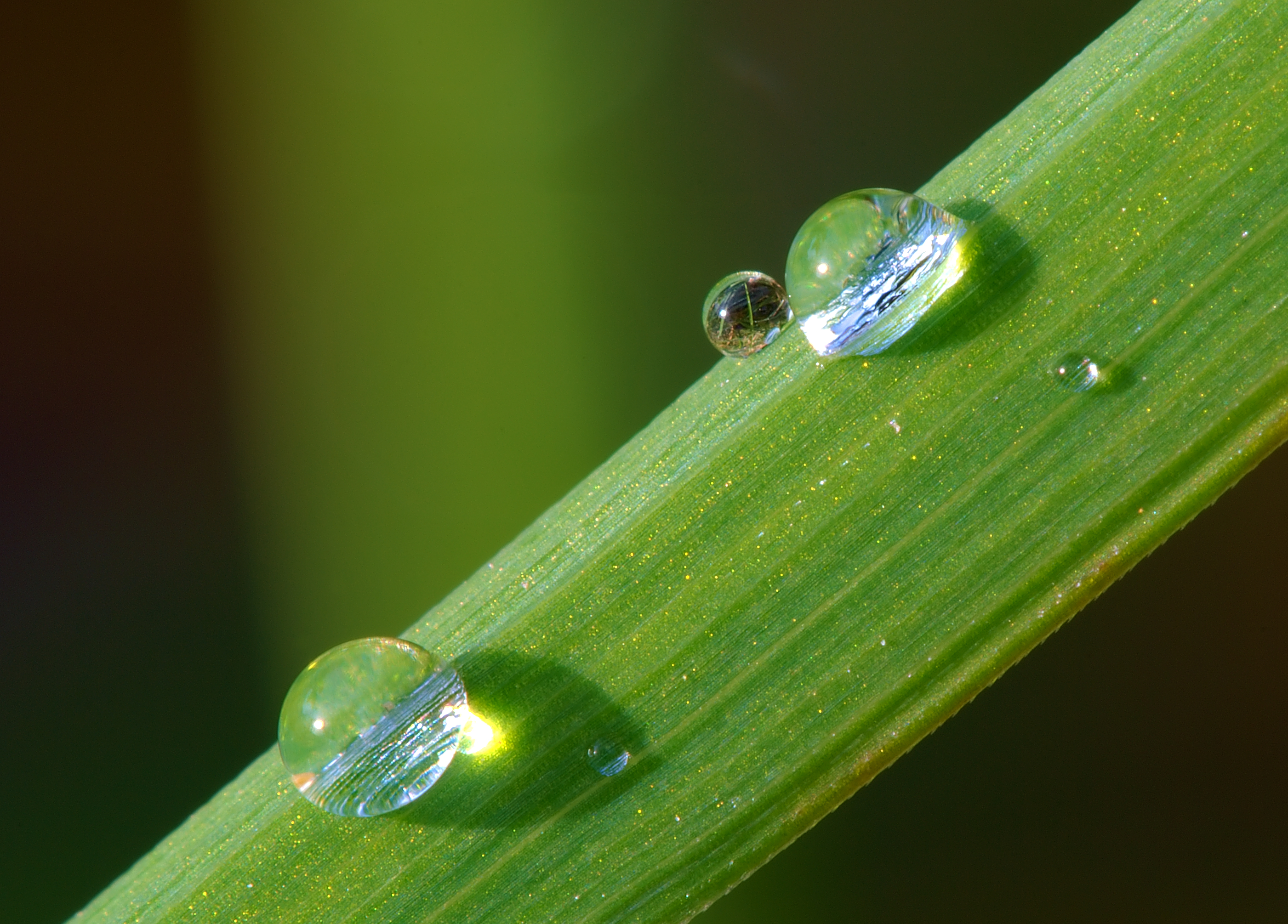
 I feel new. Not new like a car off the lot. New more like a clean house after the clutter has been cleared away and the moldings scrubbed till they shine. New like a blade of grass awash in the coolness of the faithful morning dew. I feel refreshed, revived, repurposed.
When I think of what it means to repurpose something, I have to admit that my first thought is of something not very pleasant. I imagine a milk crate becoming a crude dorm-room coffee table, or composting. But when God is doing the repurposing, it's really very awesome and beautiful. (OK, well, so is composting. Kind of.)
These past nine months or so since I left the safety and comfort of (the young-adult nursery/New England resort we call) Amherst College have been shot through with the cries and expectation and pangs and power of transformation. I can't claim to know the ways of God, for his ways are so much higher than mine. But I do know that he makes use of certain seasons in our lives to jolt us out of the stupors we fall into, those dazes, those periods of falseness and futility and waste. And jolt me he has.
I began this year confused, maybe even despondent and depressed if I'm being honest with myself. I could feel the gentle rumble of a distant quake, but I couldn't know just what was coming. In December I was baptized, after many years of tarrying a little longer than I expected in a state of doubt and uncertainty about the reality of God in Christ. After my baptism I began to pray in new ways, and I can't be sure why.
I prayed, in short, the prayer it is said Martin Luther prayed in his weakest spiritual moment: "Here I am. Take me, Lord." I added, quite helplessly: "Make use of me, not as I wish, but as you will." Well, prayer makes things happen.
My mental furniture and the rhythms of my heart--pretty quickly--began to change as I prayed these things. In the span of a few weeks I could feel the Holy Spirit clothing me in my nakedness with the promises of the Almighty. I could sense his presence as I for the first time opened God's Word with delight rather than a sense of duty. This delight has only grown. The Lord has revealed himself to me in such majesty that I can really only respond with a constant stream of bleary-eyed praise. I was such an ingrate, a fool, an unregenerate hypocrite, far more reliant on the opinions of others and the fleeting pleasures of the world in all its materiality than on the mercy of the Cross. I was a legalist and didn't know it, seeking to placate a God I didn't understand with mechanical obedience. I was superstitious. My faith was a shipwreck, or maybe it had never set sail to begin with.
Through prayer, fasting, the sharpening iron of friends, the wisdom of faithful shepherds, and the grace of the One whose blood is sufficient, I am new. New in the Colossians 3 sense--"seeking the things above," "putting off my old self and its practices."
Along with the newness of spirit has come an abundance of unexpected gifts and morsels and revelations. Nine months ago I had no clue what to do after I graduate. Now it is one of the clearest things I've ever been made to see by God. Nine months ago, too, I wasn't sure of my identity and values and intentions and goals. All these things have been set straight as well. I am my master's.
I owe so much to the wisdom and passion of John Piper. After discovering his work on Biblical manhood and womanhood (which I highly recommend) in January, I have found myself a kind of kindred spirit in the man as I've explored his rich, deep collection of sermons, seminars, books, and articles. And by kindred I don't mean to compare myself to him in stature, but rather in the ways our minds and hearts seem to work. There is not one thing he has taught me that has not reverberated in the deep, innermost recesses of my soul as faithful clarification of Scriptural truth. Through his ministry, I have discovered what it means to treasure the Cross, to make much of Jesus (a la Jonathan Edwards), to wrestle with paradoxes and "do theology," to be a thinking Christian, to be missional and worshipful, to live out faith unabashedly and radically, to fight sin to the death (a la John Owen). The Lord placed him in my life at a crucial moment, and his teaching and preaching have provided much spiritual fuel over these months, and continue to. Proverbs 23:12 exhorts us to apply our hearts to instruction and our ears to words of knowledge. The Lord showed me to Piper so that I could be obedient to that exhortation in these months away from my "home" in Amherst.
And now I have the blessing of undertaking an honors thesis centered on Jonathan Edwards. I can't begin to express both how hilariously unaware I was of what I was doing when I chose him as my subject and how incredibly thankful I am to God for steering me in his direction nevertheless. I'm now beginning to glimpse the goodness and life-altering spirit of Edwards's meditations on finding one's deepest satisfaction in the Lord. I know that in this, too, my Father has arranged a fitting, faithful, fantastic spiritual mentor and tutor for me this year, someone to guide my thoughts Godward, to show me the delight of his "God-entranced vision of all things."
All in all, though I've written this hastily and recorded my praises and thoughts very imperfectly here (and I hope you'll forgive me), I want to conclude with the image I began with: repurposing. Indeed the Lord chooses whom he desires for his flock, no matter how reckless or frail or surprising a choice--and I am terrific evidence of that. The truth is, it took, and is taking, a huge amount of repurposing to make me the servant my master needs me to be. It has been, and is still, exceedingly humbling to witness how far I needed, and need, to come from who I was--just how much dross needed to be removed--in order to finally see and know God for who he is. The degree of numbness and blindness and deafness is astounding. And the perfect purity the Lord brings to bear on our lives when we finally invite Christ in to reign in us is also astonishing. All I can do is fall down and sing, "Holy, holy, holy!"
More to come. The fall semester is right around the corner. I'm turning it in just days now. I pray that these many months of being made new would stand even in the face of the challenges of work and study and a (small but energetic) social life.
My prayer as I go back is this: Keep me, Lord. Keep me grounded in the realities of grace, of your sovereignty, of my frailty, of the need for accountability, of the loveliness and incomparable beauty of Jesus, of heaven and hell, of eternity and the infinite measure of your love. In keeping me, Father, give me feet to go, hands to give and serve, a mind renewed by your truth, a spirit of freedom, and a profound desire to see you glorified everywhere I am and everywhere I'm not. Amen.
